


Radiant Floor Heating Etobicoke: The Ultimate Comfort Upgrade
A couple in Alderwood built a new home three years ago and installed radiant floor heating throughout. They had experienced it at a friend's cottage and couldn't imagine going back to forced air. Now their entire main floor stays evenly warm without drafts or noise. Their energy bills are 25% lower than their old house despite being 400 square feet larger. They tell everyone considering renovations or new construction to seriously look at radiant floor heating.
Radiant floor heating represents the pinnacle of home comfort. Gentle warmth rises from below, heating people and objects instead of blowing hot air around the ceiling. No cold spots. No dust circulation. No furnace noise. Just silent, even comfort from floor to ceiling.
Understanding Radiant Floor Heating
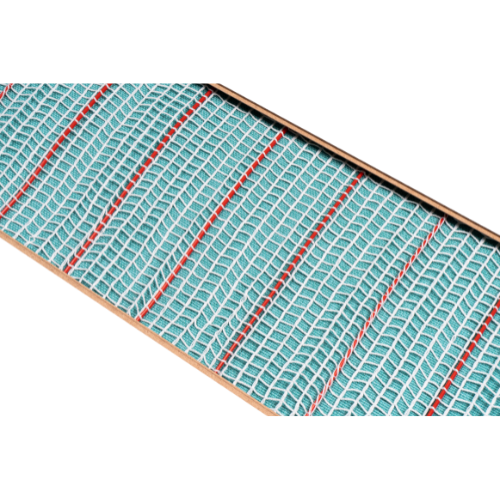
Radiant floor heating works through tubes or cables installed in or under your flooring. Warm water circulates through tubing in hydronic systems. Electricity heats cables in electric systems. Both methods warm the floor surface, which then radiates heat upward into your living space.
This heating method is fundamentally different from forced air. Traditional systems blow hot air that rises to the ceiling, leaving floors cold. Radiant heating warms from the ground up. Your feet stay warm. Heat distributes evenly. You feel comfortable at lower thermostat settings because radiant heat warms your body directly.
The physics are simple but effective. Heat naturally rises. Starting at floor level means warmth reaches every part of your room. No hot ceiling with cold floors. No temperature stratification. Just consistent comfort throughout the entire space.
Most people notice the silence first. No furnace kicking on and off. No air whooshing through vents. Just quiet warmth. Many customers say they didn't realize how much furnace noise bothered them until they experienced radiant heating.
Hydronic vs Electric Systems
Hydronic radiant floor heating circulates warm water through flexible tubing installed in your floors. A boiler or water heater warms the water to 35-45°C. Pumps circulate it through tubing loops. Heat transfers from water to floor to room.
Hydronic systems excel for whole-home heating or large areas. Water carries heat efficiently. Operating costs are lower than electric for spaces heated continuously. Installation is more complex and expensive upfront, but long-term efficiency makes it worthwhile for substantial square footage.
Electric radiant floor heating uses resistance cables or mats that warm up when electricity flows through them. Simpler to install than hydronic. Perfect for individual rooms, bathrooms, kitchens, or supplemental heating. Lower upfront costs but higher operating expenses for large spaces used all day.
Most Etobicoke homes doing whole-home radiant heating choose hydronic systems. Those adding radiant to specific rooms during renovations typically go electric. Both work excellently when properly designed and installed for their intended application.
Best Applications and Locations
Whole-home radiant floor heating provides unmatched comfort in new construction or major renovations. Every room benefits. Basements, main floors, and even second floors can all have radiant heating. Some homeowners combine radiant floors with minimal forced-air systems for summer cooling only.
Basements are perfect for radiant heating. Concrete slabs naturally stay cold. Traditional heating struggles to warm below-grade spaces. Radiant floor heating embedded in concrete turns cold basements into comfortable living areas. Many finished basement projects in Etobicoke include radiant heating.
Bathrooms with tile or stone floors transform with radiant heating. Cold morning tile disappears. Showers become more enjoyable when you step onto warm floors. Most bathroom renovations should consider radiant heating during the planning stage.
Kitchens benefit from radiant heating because you spend time standing while cooking and cleaning. Warm floors reduce fatigue and make the space more pleasant. Large kitchens with tile or stone flooring are ideal candidates.
Sunrooms and additions often lack good heating options. Extending ductwork is expensive and complicated. Radiant floor heating provides independent climate control without modifying your main HVAC system. Perfect for spaces that get added to existing homes.


READY TO UPGRADE YOUR FLOORING?
Installation Process and Timeline
New construction offers the easiest radiant floor heating installation. Tubing or cables go in before concrete pours or subfloors get finished. Installation coordinates smoothly with other construction phases. Most builders can incorporate radiant heating without significant schedule impacts.
Renovation installations happen after demolition and before new flooring. We install insulation boards over existing subfloors or concrete. Tubing or heating cables lay on top of insulation in planned patterns. Connections are made to manifolds or electrical boxes. Then new flooring goes over everything.
Concrete slab installations embed tubing directly in concrete. After preparing the base and installing vapor barriers, we lay rigid insulation. Tubing attaches to wire mesh or clips that hold it in position. Concrete pours over the tubing, encasing it completely. This method provides excellent heat distribution and thermal mass.
Installation timelines vary by project scope. A single bathroom takes one day for electric heating. Whole-home hydronic systems in new construction might take 3-5 days spread across the building schedule. Renovation projects fall somewhere between depending on square footage and complexity.
System Design and Zoning
Proper radiant floor heating design matters tremendously. Rooms need different heat outputs based on size, insulation, windows, and sun exposure. Bathrooms need higher floor temperatures than living rooms. Bedrooms can run cooler at night.
Zoning gives you independent temperature control for different areas. Each zone has its own thermostat. Heat the bathroom hot in the morning, keep the kitchen warm during cooking hours, and maintain bedrooms comfortably at night. All zones operate independently.
Hydronic systems use manifolds with individual zone controls. Each room or area connects to the manifold through supply and return lines. Thermostats control valves that regulate water flow to each zone. Advanced systems can manage 8-12 zones or more.
Electric systems zone naturally. Each heated area has its own circuit and thermostat. Adding or modifying zones is simpler than hydronic systems. This flexibility makes electric systems attractive for phased renovations where you add rooms over time.
Operating Costs and Efficiency
Radiant floor heating is 15-30% more efficient than forced-air systems. Heat warms people and objects directly instead of air. Less heat gets wasted at the ceiling. Most people feel comfortable at thermostat settings 2-3°C lower than with forced air.
Hydronic systems cost less to operate than electric for large spaces. Natural gas or propane fuel is cheaper per BTU than electricity. A 2,000-square-foot home with hydronic radiant heating might cost $1,200-1,800 annually to heat. Comparable forced-air heating runs $2,000-2,500.
Electric radiant heating costs more for large areas but remains reasonable for smaller spaces. A 100-square-foot bathroom costs $15-25 monthly to heat. Programmable thermostats reduce costs by heating only during occupied hours.
Thermal mass in concrete slabs improves efficiency. Concrete stores heat and releases it gradually. Systems can heat during off-peak electricity hours when rates are lower, then coast through peak periods using stored heat. This load-shifting saves money in areas with time-of-use electricity pricing.
Flooring Compatibility
Tile and stone are ideal for radiant floor heating. They conduct heat excellently and aren't damaged by temperature cycling. Porcelain, ceramic, marble, slate, and travertine all work perfectly. Most radiant heating installations in bathrooms and kitchens use these materials.
Engineered hardwood works well with radiant heating when properly selected. Choose products specifically rated for radiant applications. Follow manufacturer installation guidelines carefully. Many beautiful hardwood looks are achievable with radiant-compatible engineered products.
Luxury vinyl and quality laminate can work with radiant heating at controlled temperatures. Not all products are compatible. Check manufacturer specifications. Those rated for radiant use typically limit maximum floor temperatures to protect the material.
Carpet and thick padding insulate against heat transfer. If you want carpet over radiant heating, use thin padding and low-profile carpet. This limits insulation effect. Understand that carpet significantly reduces radiant heating effectiveness compared to hard surface flooring.
Concrete can be the finished floor. Polished concrete over radiant heating creates industrial-modern aesthetics. Stained or stamped concrete offers design flexibility. These approaches maximize heat transfer and minimize flooring costs.
Maintenance and Longevity
Hydronic radiant floor heating needs minimal maintenance. Annual boiler service keeps the heat source running properly. Occasionally check pump operation and pressure gauges. The in-floor tubing lasts 50+ years if installed correctly. Many systems operate trouble-free for decades.
Electric radiant heating is virtually maintenance-free. No moving parts in the floor. No annual service required. Quality systems last 30-50 years. The only maintenance involves replacing thermostats every 10-15 years as needed.
System leaks in hydronic heating are rare with proper installation. PEX tubing used in modern systems is extremely durable. Leaks typically occur at connections or manifolds, not in the tubing itself. These are accessible for repair without tearing up flooring.
Electric system failures usually involve thermostat issues rather than heating elements. Replacement thermostats install easily. The embedded heating cables rarely fail if installed properly and protected during flooring installation.
Radiant Heating in Etobicoke Climate
Etobicoke winters are cold and sustained. Radiant floor heating handles this climate beautifully. Systems operate continuously at moderate outputs rather than cycling on and off like forced air. This creates more consistent comfort and better efficiency.
Homes near Lake Ontario in neighborhoods like Humber Bay Shores and Mimico benefit from radiant heating's ability to combat dampness. Warm floors dry moisture and reduce humidity. Basements stay comfortable instead of feeling damp and cold.
Older homes in areas like Kingsway and Islington Village often have poor insulation and drafty windows. Radiant heating still performs well because it warms people directly rather than trying to heat air that escapes through leaks. Comfort improves even before improving insulation.
New construction in Etobicoke increasingly incorporates radiant floor heating. Builders recognize the value and homebuyers appreciate the superior comfort. Energy efficiency requirements favor radiant heating's performance advantages.
Combining with Other Systems
Many homes use radiant floor heating as primary heat with minimal forced-air systems for summer cooling. Small AC units handle cooling needs. Radiant provides all winter heating. This hybrid approach maximizes comfort year-round.
Some installations add radiant to specific areas while keeping forced-air elsewhere. Basements and bathrooms get radiant heating. Main living areas stay with existing systems. This targeted approach provides benefits where they matter most without complete system replacement.
Heat pumps pair well with radiant floor heating. Low-temperature heat pumps efficiently provide warm water for hydronic systems. This combination offers excellent efficiency and performance even in cold climates like Etobicoke.
Solar thermal systems can supplement radiant heating water heating. Solar collectors warm water during sunny days. This reduces fuel consumption and operating costs. Some Etobicoke homes with south-facing roofs successfully integrate solar thermal with radiant heating.
FAQs
Can radiant floor heating be installed in existing homes?
Yes, but it requires removing and replacing flooring. Best done during planned renovations. New construction is easier and less expensive, but retrofit installations work when timed with flooring updates.
Is radiant heating expensive to install?
More expensive than forced-air upfront. Electric systems cost $10-20 per square foot installed. Hydronic systems run $15-30 per square foot depending on complexity. Long-term energy savings offset higher installation costs over time.
Can radiant heating cool in summer?
No. Radiant systems only heat. Most homes need separate AC for summer cooling. Some use radiant heating with ductless mini-splits or small central AC systems for cooling.
How long does radiant heating take to warm up?
Electric systems heat floors in 30-60 minutes. Hydronic systems with concrete thermal mass take 2-4 hours to reach full output. Once warm, systems maintain temperature easily with minimal cycling.
Does radiant heating work with all floor types?
Works best with tile, stone, and concrete. Compatible with engineered hardwood and some luxury vinyl products. Not recommended under thick carpet or solid hardwood. Flooring material significantly affects system performance.
What warranty comes with radiant heating?
Heating elements and tubing typically carry 20-25 year warranties. Boilers and pumps have standard equipment warranties of 5-10 years. Professional installation includes one-year labor warranty. Systems often outlast warranty periods significantly.