


Hydronic Heating Installation Etobicoke: The Most Comfortable Heat Your Home Can Have
A homeowner in Markland Wood was building a large addition and wanted to do the heating right from the start. They'd heard about hydronic systems and asked us to walk them through the options. We designed a system with in-floor radiant heating for the main floor of the addition and hydronic baseboard heaters for the upper level, all running from a high-efficiency gas boiler. Two winters later, they told us it's the warmest, most comfortable space they've ever lived in. They're now planning to expand the system into the original part of the house.
Hydronic heating is different from forced-air in a way that's hard to fully appreciate until you've experienced it. Instead of blowing hot air through vents, it circulates warm water through your home — either through radiant floor systems, radiators, or baseboard heaters. The result is gentle, even warmth from multiple surfaces that doesn't create drafts, doesn't dry out the air, and doesn't make noise.
How Hydronic Heating Works
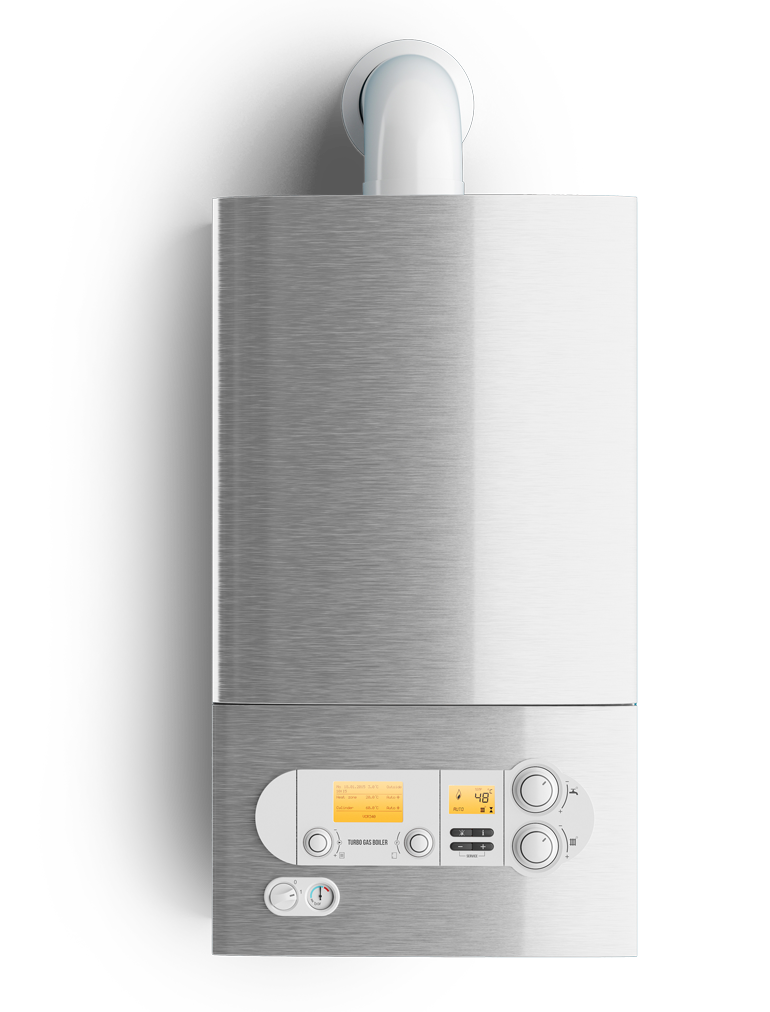
A boiler or heat pump heats water and circulates it through a closed loop of pipes throughout your home. That water transfers its heat to radiators, baseboard heaters, or the floor itself depending on the type of system. As the water cools, it returns to the heat source to be reheated and sent out again.
The system can be divided into zones, each with independent thermostatic control. You can heat the rooms you're using and leave others cooler — something forced-air systems don't do nearly as efficiently.
Types of Hydronic Systems We Install
Radiant Floor Heating (In-Floor) Tubing is embedded in the floor assembly — either in a concrete slab or in a thin-set layer over an existing subfloor. The floor itself becomes the radiating surface, warming the room from the ground up. This is the most comfortable form of heat available and works beautifully in bathrooms, basements, and whole-home installations.
Hydronic Baseboard Heaters Slim baseboard units run along the perimeter of rooms and radiate heat through convection. They're an efficient, unobtrusive way to deliver hydronic heat in spaces where in-floor installation isn't practical — and they work well in older South Etobicoke homes that are adding or upgrading hydronic systems.
Radiators Classic cast-iron or modern panel radiators connect to the hydronic loop and radiate heat directly into the room. Very efficient and extremely long-lasting. Many older homes in Alderwood and Stonegate-Queensway still run on original radiator systems — we upgrade and extend these all the time.




Thinking About Hydronic Heating?
Choosing the Right Heat Source
A hydronic system needs a heat source — something to heat the water before it circulates.
Gas Boiler: The most common choice in Etobicoke. High-efficiency condensing boilers run at 90% or above and deliver reliable performance through cold Ontario winters.
Heat Pump: An increasingly popular choice, particularly for new construction or major renovations. Heat pumps can feed a hydronic system and offer significant energy savings alongside a lower carbon footprint.
We'll recommend the right heat source based on your home, your goals, and what's most practical for your specific situation.
Best Applications for Hydronic Heating in South Etobicoke
Hydronic systems are most cost-effective when they're designed into a project rather than retrofitted after the fact. The best opportunities are:
New home construction
Major renovations where floors or walls are already open
Home additions where the system can be designed from scratch
Basement finishing projects where radiant floor heat transforms the space
Homes converting from electric heat to a more efficient system
Older homes throughout South Etobicoke — particularly in neighbourhoods like Markland Wood, Alderwood, and Stonegate-Queensway — are excellent candidates for hydronic upgrades given their existing pipe infrastructure.
What Customers Say About our HVAC Services in Etobicoke
The Installation Process
Design and Assessment We start by understanding your goals, evaluating the space, and designing a system that meets your heating needs and budget. Hydronic systems are more involved to design than forced-air, and getting the sizing and layout right matters significantly to long-term performance.
Rough-In Piping is installed through floors, walls, or embedded in floor assemblies depending on the system type. This phase coordinates with other trades on renovation projects.
Mechanical Installation Boiler or heat pump installation, manifolds, zone valves, circulator pumps, expansion vessels, and controls are all installed and connected.
Commissioning We fill and pressurize the system, bleed all air, balance the zones, and test the full system through a complete heating cycle before finishing work goes in.
Hydronic Heating Installation in South Etobicoke
Serving Markland Wood, Stonegate-Queensway, Alderwood, and the surrounding area. Book a Free Consultation today.
FAQs
Is hydronic heating expensive to install?
More than forced-air for the initial installation, yes. But the operating efficiency, comfort level, and lifespan of the system make it a worthwhile investment for many homeowners — particularly in new construction or major renovations where the incremental cost is lower.
Can I add hydronic heating to my existing home?
Yes, though the practicality and cost depends on your home's construction and layout. Baseboard hydronic systems are often easier to retrofit than in-floor systems. We'll give you an honest assessment of what's involved.
How is hydronic heating controlled?
Each zone has its own thermostat and can be set independently. Modern systems can also be controlled through smart home platforms.
Is hydronic heating efficient?
Very. Modern condensing boilers paired with well-designed hydronic systems are among the most efficient heating options available for residential use.
Do you install hydronic heating in Markland Wood and Stonegate-Queensway?
Yes. We serve all of South Etobicoke including Markland Wood, Stonegate-Queensway, Alderwood, and surrounding neighbourhoods.
How long does a hydronic system last?
The pipework can last the life of the building. Boilers and mechanical components typically last 20 to 25 years with proper maintenance. Many homeowners see their investment pay off many times over through decades of reliable, efficient operation.
